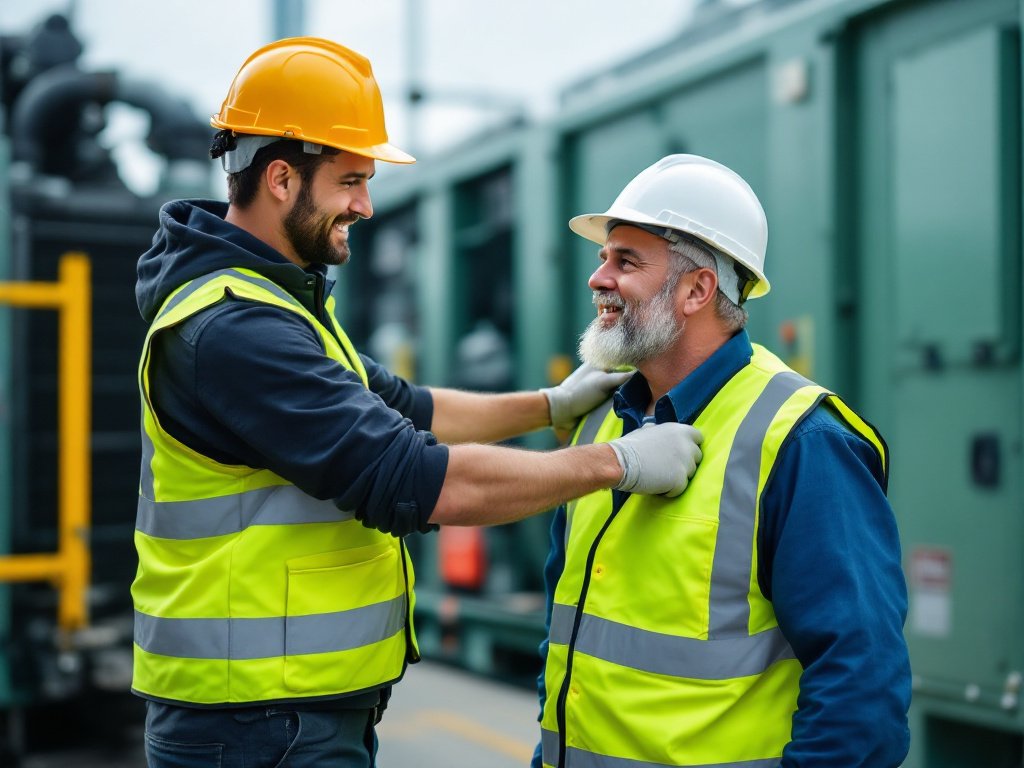
Operating a welder generator is about harnessing immense power for precision work, but with great power comes serious responsibility. Ensuring robust safety practices for operating welder generators isn't just about avoiding a fine; it's about protecting lives, safeguarding equipment, and maintaining a productive work environment. Whether you're a seasoned professional or a weekend warrior, understanding and rigorously applying these protocols is non-negotiable.
At a Glance: Key Safety Takeaways
- Training & Awareness: Never operate a welder generator without proper training and a thorough understanding of its specific hazards.
- Outdoor Use Only: Always place generators outdoors in well-ventilated areas to prevent deadly carbon monoxide buildup.
- Stable & Grounded: Ensure your generator is on a stable, flat surface and properly grounded to prevent electrical shocks.
- Respect Load Limits: Overloading can lead to overheating, electrical fires, and equipment damage.
- Regular Maintenance: Scheduled inspections, fluid changes, and electrical checks are crucial for identifying issues before they escalate.
- Emergency Ready: Keep a fire extinguisher and a clear emergency shutdown plan accessible.
Why Welder Generators Demand Respect
Welder generators are indispensable tools, especially in remote locations or when conventional power isn't available. They combine the functionality of an electrical generator with a welding power source, offering incredible versatility. However, this convenience doesn't come without inherent risks. These powerful machines generate electricity and exhaust fumes, and their components operate under significant stress. Treat them with anything less than diligent respect, and you're inviting danger.
The goal here isn't to instill fear, but to empower you with the knowledge to operate these crucial machines safely and confidently. Every bolt, every wire, and every whir of the engine tells a story of potential energy that, if mishandled, can turn hazardous.
The Unseen Dangers: More Than Just a Spark
When we think of welding, sparks and bright lights often come to mind. But the dangers associated with welder generators extend far beyond the immediate welding arc. Overlooking these less obvious hazards can have severe, even fatal, consequences.
- Electrical Shocks: Live wires, improper grounding, or using a generator in wet conditions can deliver a lethal jolt. Electricity always seeks the easiest path to the ground, and if you're in that path, you become the conduit.
- Carbon Monoxide (CO) Exposure: Often called the "silent killer," carbon monoxide is a colorless, odorless gas produced by internal combustion engines. In enclosed or poorly ventilated spaces, CO can quickly accumulate, leading to poisoning, unconsciousness, and death. You won't see it, you won't smell it, but it can steal your breath away.
- Fire Hazards: Overloaded circuits, leaking fuel, inadequate ventilation causing overheating, or sparks near flammable materials can quickly turn a routine job into a raging inferno.
- Mechanical Injuries: Moving parts like cooling fans, belts, or even hot exhaust components pose risks for burns, cuts, or entanglement if not properly guarded or if operators are careless during maintenance or inspection.
Understanding these threats is the first step in mitigating them. It's about developing an acute awareness of your surroundings and the machine's behavior.
Building a Foundation of Safety: Training & Awareness
You wouldn't jump into a race car without knowing how to drive, nor should you operate a welder generator without proper instruction. Training isn't a one-and-done checkbox; it's a continuous commitment to staying sharp and informed.
Non-Negotiable: Comprehensive Training
Every individual who operates, maintains, or even regularly works near a welder generator must undergo comprehensive training. This isn't just a suggestion; it's an absolute necessity. Training should cover:
- Machine-Specific Operations: Each model has its quirks. Your training should focus on the specific units you'll be using.
- Hazard Identification: Learning to spot potential electrical, chemical, or mechanical risks before they become incidents.
- Emergency Protocols: What to do if something goes wrong, from a small sputter to a full-blown emergency.
- Regulatory Compliance: Understanding local and national safety standards.
Understanding Your Machine Inside and Out
Whether you're working with a diesel-powered unit or a gasoline-fueled one, each type has its own set of characteristics and safety considerations. Diesel generators often have different fuel storage requirements and exhaust characteristics than their gasoline counterparts. Knowing the specific dangers of your particular machine, from its fuel type to its electrical output, is paramount. If you're looking to upgrade or diversify, it's worth taking the time to learn about welder generators and their various types.
This level of awareness isn't static. Safety protocols and best practices evolve, as do the machines themselves. Regularly reviewing and updating your knowledge base, and staying current with the manufacturer's guidelines, keeps you ahead of potential issues. Complacency is the enemy of safety.
The Crucial First Step: Setting Up Your Welder Generator Safely
Before you even think about starting your welder generator, its placement and initial setup are critical. Get this wrong, and you're already inviting trouble.
Breathing Room: Ventilation is Life
This cannot be stressed enough: Always place welder generators outdoors or in a designated, extremely well-ventilated area. Carbon monoxide is an insidious, odorless, and invisible killer. A generator running in an enclosed space—even one with open windows or doors—can quickly fill that space with deadly levels of CO.
- Outdoors is Best: Position the generator far away from windows, doors, vents, and any other openings that could allow exhaust fumes to seep into occupied buildings. Point the exhaust pipe away from people and structures.
- Dedicated Ventilation Systems: If indoor use is absolutely unavoidable for specific industrial applications (which is rare and comes with extreme caveats), it must be in a facility designed with industrial-grade, forced-air ventilation systems that are regularly inspected and certified. Even then, personal CO monitors are mandatory.
Prioritizing proper ventilation is a fundamental step in preventing carbon monoxide poisoning and ensuring the safety of everyone on site.
Solid Ground: Stability Matters
A wobbly generator isn't just annoying; it's dangerous. Vibrations can cause connections to loosen, fuel lines to crack, and the unit itself to tip over, leading to spills, electrical faults, or mechanical damage.
- Flat and Stable Surface: Always place your welder generator on a firm, level surface. Concrete pads, compacted gravel, or purpose-built generator bases are ideal. Avoid soft ground, slopes, or uneven terrain.
- Secure Placement: If there's any risk of movement, secure the generator in place using restraints or anchoring points. This is especially important on job sites where heavy machinery might be operating nearby.
- Clearance: Ensure there's adequate clearance around the unit for ventilation, operation, and emergency access. Don't crowd it with equipment or materials.
Connecting with Confidence: Proper Grounding
Electrical grounding is your primary defense against electrocution. It provides a safe path for fault currents to dissipate into the earth, preventing dangerous voltage buildup on the generator frame or connected equipment.
- Follow Manufacturer Instructions: Always refer to your generator's owner's manual for specific grounding requirements. These can vary.
- Dedicated Grounding Rod: Typically, this involves connecting the generator's frame to a dedicated grounding rod driven deep into the earth using appropriate gauge copper wire and clamps.
- Check Integrity: Routinely inspect your grounding wire and connections for corrosion or damage. A faulty ground is no ground at all.
Skipping or improperly executing the grounding step is a serious safety violation that puts everyone at risk of severe electrical shock.
Mastering the Controls: Safe Welder Generator Operation
Once your welder generator is safely positioned and grounded, understanding its operational rhythm is key to sustained, accident-free use.
Know Your Sequence: Start, Load, Stop Procedures
Every machine has a specific sequence of operations designed for safety and longevity. Deviating from these can cause damage to the generator, the welder, or even harm the operator.
- Starting: Generally, this involves checking fluid levels (fuel, oil, coolant), ensuring all loads are disconnected, opening fuel valves, engaging the choke (if applicable), and then starting the engine.
- Loading: Once the generator is running smoothly and has warmed up, you can connect and apply the welding load. Gradually introducing the load prevents sudden surges that can stress the engine and electrical components.
- Stopping: Before shutting down, disconnect the welding load first. Allow the generator to run for a few minutes without a load to cool down, then follow the manufacturer's shutdown procedure (e.g., turning off the engine, closing fuel valves).
Familiarize yourself with these steps. Perhaps even create a laminated checklist for operators on site to ensure consistency.
Respecting Limits: Understanding Load Capacity
Every welder generator is designed to operate within a specific load capacity. Overloading it is a recipe for disaster.
- Check the Nameplate: The generator's nameplate will indicate its maximum wattage and amperage. Never exceed these limits.
- Calculate Your Load: Before starting, sum the power requirements of all equipment you plan to connect, including your welder. Ensure the total is well within the generator's capacity, leaving a buffer for start-up surges. Learning more about understanding generator load management can save you significant headaches and costly repairs.
- Consequences of Overloading:
- Overheating: This is the most common and immediate danger, leading to component failure and fire.
- Electrical Faults: Can cause breakers to trip, or worse, lead to internal damage.
- Reduced Lifespan: Continual overloading will dramatically shorten the life of your generator.
It's better to use a slightly oversized generator than to constantly push a smaller one to its absolute limit. Imagine trying to run a marathon while carrying twice your body weight; your generator feels the same strain when overloaded.
Weathering the Storm: Avoiding Wet Conditions
Electricity and water are a deadly combination. Operating a welder generator in wet or damp conditions significantly increases the risk of electrocution.
- Stay Dry: Never operate a generator in rain, snow, or excessively damp environments unless it's specifically designed for such conditions and housed within a protective, generator-specific enclosure.
- Generator-Specific Covers: If outdoor use during inclement weather is unavoidable, invest in a robust, generator-specific cover that protects the unit from moisture while allowing for proper ventilation. Crucially, ensure the cover does not impede airflow or exhaust.
- Dry Hands, Dry Feet: Always ensure your hands are dry and you are standing on a dry surface before touching the generator or any connected electrical equipment. Wear appropriate insulated footwear.
A splash of water might seem harmless, but it can create a conductive path that leads to a fatal electrical shock.
The Long Haul: Maintaining Safety Through Diligence
Even the most robust safety protocols during setup and operation won't protect you if the machine itself is neglected. Regular maintenance isn't just about extending the generator's life; it's a critical safety practice.
Regular Check-ups: Scheduled Inspections
Think of scheduled inspections as preventative medicine for your generator. They help catch small issues before they snowball into major failures or dangerous situations.
- Pre-Use Checks: Before each use, quickly inspect for visible damage, fuel leaks, loose wires, or unusual noises.
- Scheduled Maintenance: Follow the manufacturer's recommended service intervals for more in-depth inspections. This might be hourly, weekly, monthly, or annually, depending on usage.
- Documentation: Keep a log of all inspections and maintenance performed. This helps track potential recurring issues and ensures adherence to the schedule.
Your Shield: Essential PPE for Maintenance
When performing maintenance, you're often interacting directly with components that might be hot, sharp, or involve hazardous fluids. Personal Protective Equipment (PPE) isn't optional; it's your first line of defense.
- Gloves: Protect your hands from cuts, scrapes, and contact with hot surfaces or fluids like oil and coolant.
- Safety Glasses/Goggles: Essential for shielding your eyes from debris, splashes, and fumes, especially when cleaning or working with batteries.
- Mask/Respirator: Necessary when dealing with dust, fumes from exhaust, or chemicals during cleaning or fuel handling.
- Hearing Protection: Generators are loud. Prolonged exposure can lead to hearing damage.
Remember, the right PPE can mean the difference between a minor incident and a serious injury. Make sure you're always using essential welding PPE correctly, not just for the welding task itself, but for generator operation and maintenance too.
Under the Hood: Routine Checks & Electrical Integrity
Specific maintenance tasks are crucial for both performance and safety:
- Fluid Levels & Changes: Regularly check and change oil, fuel, and coolant according to the manufacturer's schedule. Low or dirty fluids can lead to overheating and engine damage.
- Air Filter Replacement: A clogged air filter restricts airflow, causing the engine to work harder, overheat, and produce more carbon monoxide.
- Electrical Inspections: This is paramount. Faulty wiring, frayed cords, loose connections, or damaged insulation are primary causes of electrical malfunctions, shocks, and fires. Routinely clean and tighten all electrical connections. Replace any damaged wiring immediately.
- Fuel System Checks: Look for leaks in fuel lines, tanks, and carburetors. Fuel leaks are an obvious and immediate fire hazard.
Ignoring these routine checks is akin to driving a car without ever changing the oil – it will eventually fail, and potentially in a dangerous way.
When Things Go Wrong: Emergency Preparedness & Response
Even with the most stringent safety practices, accidents can happen. Being prepared for emergencies can dramatically reduce their impact and potentially save lives.
Immediate Action: Emergency Shutdown & Fire Extinguishers
Two key tools should always be readily available and operators should be trained on their use:
- Emergency Shutdown Procedure: Know exactly how to immediately and safely shut down the generator in an emergency. This often involves a clearly marked "STOP" button or lever. Practice this so it's second nature.
- Fire Extinguisher: A fire extinguisher (rated for electrical and fuel fires, typically a Class B:C or A:B:C extinguisher) must be kept within easy reach of the generator. Ensure it is regularly inspected and fully charged.
Time is critical in an emergency. A clear head and immediate action can prevent a minor incident from escalating into a catastrophe.
Calling in the Cavalry: Professional Intervention
While you should be equipped to handle minor issues, some emergencies or complex maintenance tasks require specialized expertise. Knowing when to call in professionals is a sign of smart safety management, not a weakness.
- Complex Malfunctions: If you encounter persistent electrical issues, unusual engine noises, or severe leaks that you cannot safely diagnose or fix, do not attempt a DIY repair.
- Specialized Knowledge: Companies like Hatton Power & Propulsion provide specialized knowledge and rapid response for generator issues. Building a relationship with such a partner proactively enhances your preparedness, ensuring you have expert help on speed dial when risks need to be mitigated quickly. They can also offer insight into troubleshooting common generator issues you might encounter.
- Regular Servicing: Professional technicians can perform comprehensive preventative maintenance that goes beyond what an operator can do, identifying potential problems with advanced diagnostics.
Don't hesitate to seek professional help. Their expertise can save you time, money, and most importantly, prevent dangerous incidents.
Common Questions & Misconceptions About Welder Generator Safety
Let's clear up some common misunderstandings that can lead to unsafe practices.
"Can I run my welder generator indoors if I open a window and door?"
Absolutely NOT. Opening a window or door does not provide sufficient ventilation to prevent dangerous carbon monoxide (CO) buildup. CO is heavier than air and can accumulate rapidly. Always place generators outdoors, far away from any building openings. There is no safe way to run a combustion engine indoors without a purpose-built, externally vented exhaust system, which is a rare and highly specialized setup.
"How often should I inspect my welder generator?"
You should perform a quick visual inspection before each use (checking for leaks, damage, loose connections). More thorough, scheduled maintenance inspections should follow the manufacturer's guidelines, which are usually based on operating hours (e.g., every 50, 100, or 200 hours) or calendar time (e.g., annually). Adhering to these schedules is vital for both safety and longevity.
"What's the most common cause of welder generator accidents?"
While many factors contribute, the most common and often fatal accidents involve carbon monoxide poisoning due to improper ventilation and electrical shocks from inadequate grounding or using generators in wet conditions. Fire hazards due to overloading or fuel leaks are also significant risks.
Beyond the Checklist: Cultivating a Culture of Safety
Adhering to safety protocols for operating welder generators—from meticulous placement and diligent operation to rigorous maintenance and robust emergency preparedness—isn't merely about following a list of rules. It's about fostering a pervasive culture of safety.
It means that every individual, from the project manager to the newest operator, understands their role in maintaining a safe environment. It means speaking up when you see something unsafe, continuous learning, and prioritizing safety above all else, even when deadlines loom. This ongoing commitment protects both personnel and equipment, ensuring that the power and utility of welder generators are harnessed responsibly, for the benefit of all.