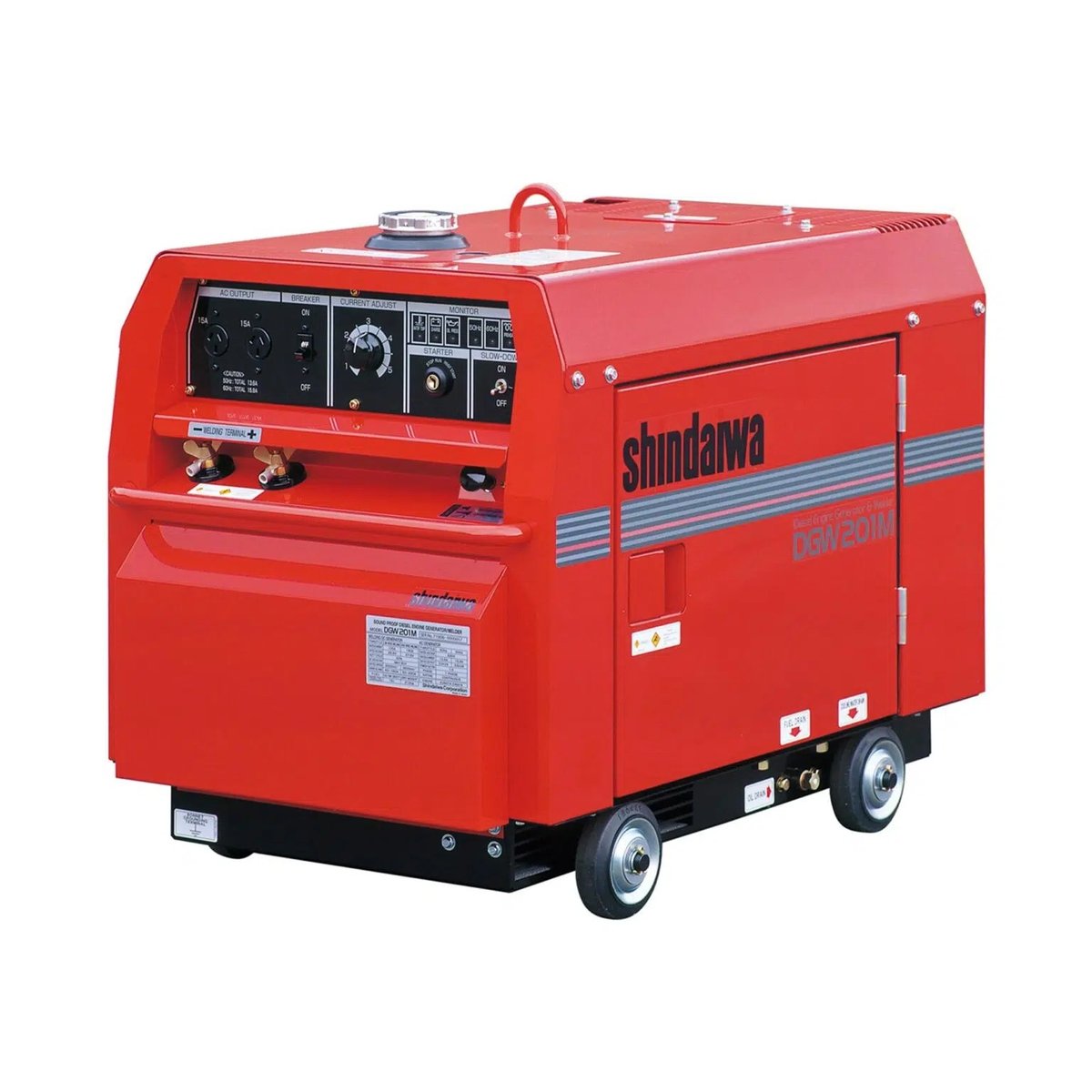
Imagine you’re out in the field, far from a reliable power outlet, needing to lay down a critical weld. Or perhaps your workshop's existing power simply can't handle the demands of heavy-duty fabrication. This is precisely where an Introduction to Welder Generators becomes essential, revealing the specialized machines designed to deliver precise, powerful current for welding, all while generating their own electricity.
These aren't just your run-of-the-mill generators. Welder generators are purpose-built workhorses, integrating an engine-driven power source with welding capabilities, making them indispensable for mobile welding, construction sites, agricultural repairs, and any scenario where grid power is unavailable or insufficient. They're about bringing the power of a dedicated welding machine to wherever the work takes you.
At a Glance: Your Quick Guide to Welder Generators
- Dual Functionality: They power themselves (like a generator) and provide dedicated current for welding (like a welder).
- Specialized Output: Designed for high current and controlled voltage, crucial for stable arc welding.
- Not a Regular Generator: Unlike standard generators that prioritize stable voltage for appliances, welder generators prioritize consistent current and voltage curves specific to welding processes.
- Crucial for Mobile Work: Ideal for construction, field repairs, pipelines, or remote locations without grid power.
- Higher Investment: Generally cost more than standard generators due to their specialized components and robust build.
- Duty Cycle Matters: Built for continuous, heavy loads common in welding, indicating how long they can weld at maximum output without overheating.
What Exactly Is a Welder Generator? Your Mobile Welding Powerhouse
At its core, a welder generator is a self-contained unit that combines two critical pieces of equipment: an internal combustion engine (gasoline, diesel, or propane) and a welding power source. The engine drives an alternator, which in turn generates electricity. But this isn't just generic electricity; it's specifically conditioned and controlled to produce the high current and appropriate voltage needed for various welding processes like Stick (SMAW), MIG (GMAW), and TIG (GTAW).
Think of it as having a welding shop on wheels. Instead of relying on external power lines, you carry your power source with you, giving you unprecedented freedom and flexibility for projects located off the grid or in challenging environments. This integrated design means less equipment to haul around and a streamlined setup process, saving time and effort on demanding job sites.
Why Not Just a Regular Generator? The Crucial Distinction
This is the million-dollar question for many newcomers. While both welder generators and normal generators produce electricity, their fundamental design and purpose diverge significantly. Understanding these differences, as highlighted by experts at China-Bison, is key to choosing the right tool for your specific needs.
The Power Profile: High Current, Controlled Voltage, and OCV
Normal generators are engineered to provide a stable, consistent voltage (typically 120V/240V) and frequency (60Hz in North America) for general electrical devices—think lights, power tools, appliances, or even entire homes during an outage. They deliver a steady flow of electricity that electronic components expect.
Welder generators, however, are a different breed. Their output is crafted for the demanding, dynamic nature of welding:
- High Current Delivery: Welding requires significantly higher current than most typical appliances. Welder generators are built to deliver this intense current, ranging from tens to hundreds of amps, necessary to melt metal.
- Constant Current (CC) and Constant Voltage (CV) Modes:
- CC Mode: Essential for Stick (SMAW) and some TIG (GTAW) welding. In this mode, the machine tries to maintain a steady current even as the arc length (and thus resistance) changes. This provides a forgiving arc that's easier to manage.
- CV Mode: Crucial for MIG (GMAW) and Flux-Cored (FCAW) welding. Here, the voltage is held constant, and the welding machine self-regulates the current based on the wire feed speed and arc length.
- High Open Circuit Voltage (OCV): Welder generators feature a significantly higher OCV, often between 50V and 100V, compared to normal generators. This higher voltage, present before the arc is struck, is vital for initiating the welding arc easily and maintaining its stability, even under tough conditions. Normal generators, lacking this specialized OCV, simply can't reliably start or sustain a welding arc.
Built for the Grind: Duty Cycle and Durability
Welding isn't an intermittent task; it often involves sustained, high-power output. This is where the concept of "duty cycle" becomes paramount for welder generators.
- Understanding Duty Cycle: Duty cycle is the percentage of time a welder generator can operate at its maximum rated output within a specific period (usually 10 minutes) without overheating. A 70% duty cycle, for example, means the machine can weld continuously for 7 minutes, followed by 3 minutes of cooling.
- Welder Generator's High Demands: Because welding creates immense heat, welder generators are designed with robust cooling systems and heavy-duty components to handle high duty cycles. Industrial and professional models often boast higher duty cycles for prolonged, demanding jobs.
- Normal Generators' Lower Stress: Regular generators are typically used for varying, intermittent loads. They're not designed for constant, maximum power output over extended periods, making their "duty cycle" less critical for their intended use.
- Rugged Construction: Welder generators are built tough. They often feature more durable frames, heavier-gauge components, and robust enclosures to withstand the harsh conditions of construction sites, agricultural fields, and industrial environments. This focus on durability means they're ready for the knocks and bumps of fieldwork, whereas a standard generator might be designed for less demanding applications.
Portability vs. Power: Finding Your Balance
Both types of generators offer varying degrees of portability, but their design priorities differ:
- Welder Generators: While some compact units exist for lighter tasks, many welder generators lean towards a more rugged, robust build to accommodate their powerful engines and welding components. This often means they're heavier and bulkier, trading some convenience for sheer power and durability in the field. They are, however, designed with transport in mind, featuring sturdy wheels and lifting points.
- Normal Generators: These range from small, ultra-portable units for camping to large standby systems. Their design prioritizes delivering stable AC power for various devices, often with less emphasis on the extreme structural demands that come with continuous welding.
The Investment: Understanding the Cost
Specialized features and enhanced durability naturally come with a higher price tag.
- Welder Generators Cost More: Due to their specialized Constant Current (CC) and Constant Voltage (CV) systems, high OCV, heavy-duty components, and superior cooling, welder generators typically cost more than a standard generator of comparable wattage. They represent an investment in specialized capability and reliability for demanding tasks.
- Normal Generators are More Affordable: Designed for broader, less specialized applications, normal generators often feature simpler components and are generally more cost-effective for meeting everyday power needs.
Versatility: Dual-Purpose Powerhouses
While a welder generator's primary function is welding, many models offer auxiliary power outlets, allowing them to double as a power source for other tools or equipment when not actively welding. This can be incredibly convenient on a job site where you might need to grind, cut, or power lights in addition to welding. Normal generators, by contrast, are fundamentally versatile, ideal for powering a wide range of household appliances, power tools, and outdoor tasks.
Key Considerations When Choosing Your Welder Generator
Selecting the right welder generator is about aligning its capabilities with your specific welding projects and work environment. It's a significant investment, so smart choices here will pay dividends in performance and longevity.
Matching Power to Your Welding Process (Amperage, CC/CV)
The first step is to consider what you'll be welding and with what process.
- Amperage Output: Different welding processes and material thicknesses require different amperage levels. Stick welding on thick steel demands higher amps than light gauge MIG welding. Ensure the generator's amperage range covers your typical applications. Look for adjustability to fine-tune your arc.
- CC/CV Capability: If you primarily do Stick welding, you'll need a Constant Current (CC) machine. If MIG or Flux-Cored is your game, Constant Voltage (CV) is essential. Many modern welder generators are multi-process, offering both CC and CV capabilities, providing maximum flexibility.
- Auxiliary Power (AC Output): Beyond welding, will you need to power grinders, plasma cutters, lights, or other tools? Check the auxiliary AC output (usually 120V or 240V) to ensure it meets the requirements of your other equipment.
Duty Cycle: Welding Longer, Working Smarter
As discussed, duty cycle is critical for welder generators.
- Understand Your Usage: Are you doing quick, intermittent repairs or long, continuous fabrication? A higher duty cycle (e.g., 60% or 100% at a given amperage) means you can weld longer without stopping to let the machine cool down, boosting your productivity.
- Professional vs. Hobbyist: Professionals often require higher duty cycles to maintain workflow on large projects. Hobbyists or those doing occasional repairs might find a lower duty cycle sufficient.
Fuel Type and Efficiency
Welder generators typically run on gasoline, diesel, or sometimes propane. Each has pros and cons:
- Gasoline: Common, readily available, generally cheaper upfront. However, less fuel-efficient for heavy, continuous use and sometimes requires more maintenance.
- Diesel: More fuel-efficient, excellent for heavy-duty, prolonged operation, and often boasts a longer engine life. Diesel engines are typically more expensive initially and can be louder.
- Propane (LPG): Cleaner-burning, longer storage life for fuel, and less likely to foul carburetors. Can be less powerful than gasoline or diesel equivalents and fuel availability might be a concern in some areas.
Consider fuel cost, availability, and environmental impact for your location.
Portability and Application
Where will you be using this machine?
- Field vs. Shop: For remote job sites, a portable unit with wheels and a sturdy frame is non-negotiable. For a dedicated shop, a larger, more powerful stationary unit might be suitable.
- Weight and Size: Even "portable" units can be heavy. Consider how you'll transport and maneuver the generator. Truck beds, trailers, or even dedicated carts might be necessary.
- Weather Protection: If used outdoors, look for features that protect against dust, rain, and other environmental factors.
Noise Levels and Regulations
Engine-driven machines are inherently noisy.
- Work Environment: If you're working in residential areas, noise-sensitive zones, or enclosed spaces, a quieter model (often indicated by lower decibel ratings) might be a priority.
- Local Regulations: Some areas have noise ordinances that could affect where and when you can operate your generator.
Budget and Long-Term Value
Welder generators represent a significant investment.
- Upfront Cost vs. Features: Balance your budget with the features you truly need. Don't overspend on capabilities you won't use, but also don't underbuy if it compromises performance or durability.
- Resale Value and Brand Reputation: Reputable brands often have better support, parts availability, and higher resale value.
- Maintenance Costs: Consider the ongoing costs of fuel, oil, filters, and potential repairs. Diesel engines, while more efficient, can have higher repair costs if issues arise.
Safety Features: Non-Negotiables
Safety should always be a top priority.
- Automatic Shutdowns: Look for features like low-oil shutdown, overload protection, and thermal overload protection to protect the machine and operator.
- Ground Fault Circuit Interrupter (GFCI) Outlets: Essential for protecting against electric shock, especially when using auxiliary power in wet or damp conditions.
- Engine Guards and Protective Cages: For durability and operator safety.
For a deeper dive into the world of these powerful machines and to help you make the best choice for your needs, be sure to explore our Complete welder generator guide. It covers everything from specific models to advanced operational tips.
Maintaining Your Welder Generator for Peak Performance
Like any engine-driven equipment, proper maintenance is crucial for the longevity and reliability of your welder generator. Neglecting simple tasks can lead to costly repairs and downtime.
- Regular Oil Changes: Follow the manufacturer's recommendations for oil type and change intervals. This is perhaps the most critical maintenance task for engine health.
- Air Filter Inspection and Replacement: A clean air filter is vital for proper engine combustion and preventing contaminants from entering the engine.
- Spark Plugs (Gasoline): Inspect and replace spark plugs as needed to ensure efficient ignition.
- Fuel System Care: Use fresh fuel, especially for gasoline models, and consider fuel stabilizers during storage. Clean or replace fuel filters regularly.
- Battery Maintenance: Keep battery terminals clean and check fluid levels if it's a non-sealed battery. Charge it periodically during periods of non-use.
- Cleanliness: Keep the unit clean, especially cooling fins and air intakes, to prevent overheating.
- Cable Inspection: Regularly inspect welding cables for cuts, frayed insulation, or damaged connectors. Damaged cables are a safety hazard and can degrade weld quality.
By adhering to a consistent maintenance schedule, you ensure your welder generator is always ready to deliver reliable power when you need it most.
Common Questions About Welder Generators
Let's clear up some frequently asked questions that come up with these specialized machines.
Can I run my house with a welder generator?
Yes, most welder generators offer auxiliary AC power outlets (120V and/or 240V) that can power household appliances, tools, or even act as a limited backup power source for your home. However, their primary design is for welding, so while they can provide general power, a dedicated standby or portable general-purpose generator might be more efficient and cost-effective if home backup is your main concern.
Is a higher duty cycle always better?
Generally, yes, a higher duty cycle indicates a more robust machine capable of longer, continuous welding at its rated amperage. For professional or heavy industrial use, a high duty cycle is critical. For occasional, lighter welding, you might not need the highest duty cycle, which can save on upfront cost.
Are diesel welder generators worth the extra cost?
For heavy-duty, prolonged, or industrial applications, many professionals find diesel welder generators well worth the investment. They offer better fuel efficiency, longer engine life, and more consistent performance under heavy loads. For lighter, intermittent use, gasoline models are often sufficient and more budget-friendly.
What kind of welding can I do with a welder generator?
Most welder generators are capable of Stick (SMAW) welding, which is a common and versatile process suitable for many field applications. Many also offer MIG (GMAW) and Flux-Cored (FCAW) capabilities, and some higher-end models can even perform DC TIG (GTAW), though AC TIG for aluminum typically requires a more specialized inverter-based machine. Always check the machine's specifications for its supported processes.
How important is arc stability?
Arc stability is paramount for quality welds. Welder generators are specifically designed to provide the stable current and voltage characteristics needed for a smooth, consistent arc, even in challenging conditions. This is a key differentiator from using a standard generator with a separate welding machine.
Ready to Power Your Next Weld?
Choosing an engine-driven welder generator means unlocking unparalleled freedom and capability for your welding projects. Whether you're a seasoned professional tackling remote infrastructure, an agricultural worker mending equipment in the field, or a dedicated hobbyist pushing the boundaries of your craft, understanding these specialized machines is the first step towards consistent, high-quality results. They are purpose-built for the unique demands of welding, delivering reliable power precisely where and when you need it.
By carefully considering factors like amperage, duty cycle, fuel type, and portability, you can select a welder generator that not only meets your current needs but also stands ready to tackle future challenges. Invest wisely, maintain diligently, and you'll have a dependable workhorse that empowers you to fuse metal, no matter how far off the grid your ambition takes you.